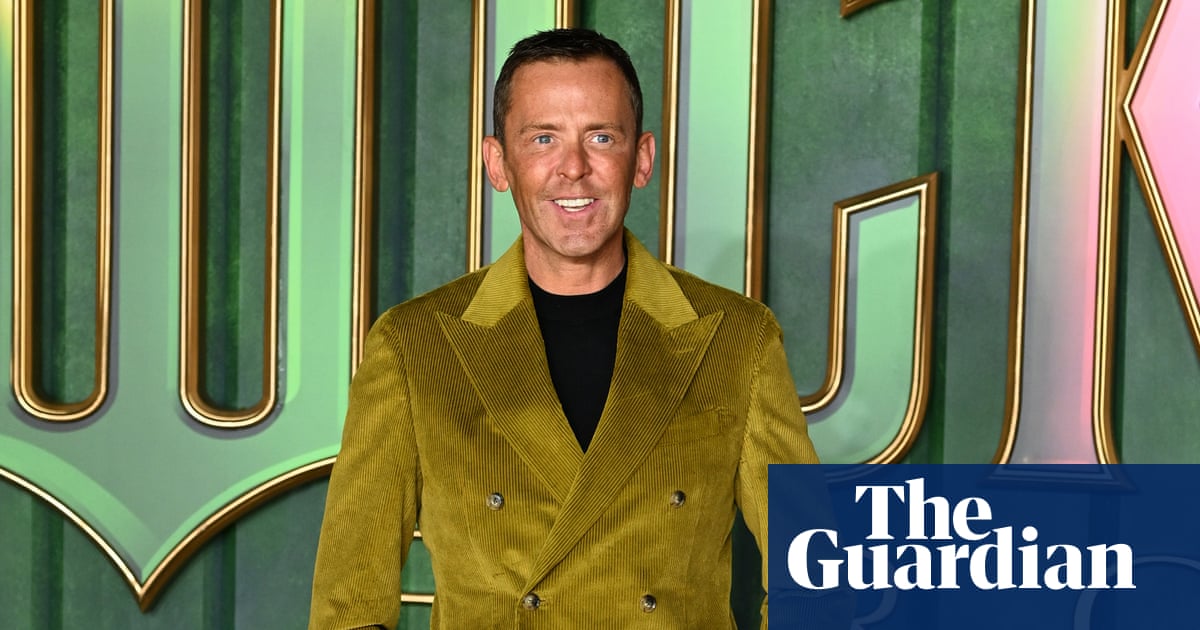
Unpacking the Sudden Departure of a Radio Giant: Why Is Scott Mills Sacked?
The broadcasting world was rocked by the abrupt news that veteran BBC Radio 2 presenter, Scott Mills, had been sacked by the corporation. A familiar voice to millions across decades, Mills's sudden departure has left audiences and colleagues alike grappling with unanswered questions, particularly concerning the BBC's official stance on "personal conduct." The news broke after a period of intense speculation following his unexpected absence from the airwaves, triggering a cascade of media reports attempting to piece together the events that led to his dismissal. For many, the central question remains stark: Why is Scott Mills sacked, and what exactly does "personal conduct" entail in this high-profile case?
Scott Mills, a fixture on BBC radio for over 25 years, had recently taken over the coveted Radio 2 breakfast show from Zoe Ball in January 2025, a role that underscored his significant standing within the corporation. His career spanned across Radio 1, 5 Live, Radio 2, and various TV appearances, making him one of the BBC's most recognisable and highly paid stars, reportedly earning between £355,000 and £359,999 annually. This deep-rooted history and significant investment only amplify the shock surrounding his dismissal, highlighting the gravity of the allegations, whatever their precise nature.
The Claims and the Corporation's Stance on "Personal Conduct"
At the heart of the matter lies the BBC's official, yet extremely guarded, statement: "While we do not comment on matters relating to individuals, we can confirm Scott Mills is no longer contracted to work with the BBC." This standard corporate response, while maintaining an individual's privacy and adherence to legal protocols, naturally fuels public curiosity, especially when it concerns a figure as prominent as Scott Mills. The lack of specific details from the BBC is deliberate, reflecting their policy not to discuss internal employment matters publicly. This approach, while legally sound, leaves a vacuum that media outlets and the public are eager to fill.
Reports from outlets such as the Daily Mirror and Metro News have claimed that Mills's shock exit is related to a complaint about a "historic male relationship from more than ten years ago." It's crucial to underscore that these are media reports, and the specific details of the allegation, its validity, or the context surrounding it, have not been confirmed by the BBC. The term "historic relationship" itself raises complex questions. Investigations into past events can be particularly challenging, often relying on recollections and evidence from a considerable time ago, which can complicate the process for all parties involved. The BBC, as a public institution, is expected to uphold certain standards of conduct and has established procedures for investigating complaints, regardless of how long ago the alleged events took place or the profile of the individuals involved. This commitment to internal policies and safeguarding is paramount, even when it leads to difficult and high-profile decisions.
A Timeline of Events Leading to Dismissal
The events unfolded rapidly, leaving little time for speculation before the official announcement. Scott Mills was last on air on Tuesday, 24th March, ending his Radio 2 show as usual, signing off with a seemingly innocuous, "Back tomorrow." However, when Wednesday morning arrived, listeners were met with veteran DJ Gary Davies stepping in, stating he was "in for Scott Mills." This immediate change signalled to many that something was amiss.
The provided context reveals that Mills was taken off air last week, indicating a period of secret suspension while BBC bosses looked into the claim. He was reportedly informed over the weekend of his dismissal, just six days after he vanished from the airwaves. The official communication to staff came on Monday morning via an email from Lorna Clarke, the BBC's director of music. Her message acknowledged the sudden and unexpected nature of the news, causing "total shock" among staff, with reports of "audible gasps" in response to the announcement. Clarke's email, while expressing the difficulty of the news, also maintained the BBC's discreet stance, promising further updates on plans for the show when possible but declining to say anything further regarding the specifics of Mills's departure. This timeline underscores the swift and decisive action taken by the BBC once the investigation or internal review had reached its conclusion.
Industry Reactions and the Weight of Public Expectation
The news of Scott Mills's sacking sent shockwaves not just through the listening public but also within the BBC itself. The phrase "total shock" accurately captures the sentiment reportedly felt across the corporation. Mills had built a reputation over decades as a kind, generous, and well-liked figure within the industry. Several stars who had spent time with him described him in glowing terms, with friends reportedly "devastated" for him. This outpouring of personal support highlights the human element of this challenging situation, where a respected individual's long and successful career takes an unexpected turn under a cloud of unspecified allegations.
For any public figure, particularly one working for a publicly funded institution like the BBC, the spotlight on personal conduct is intense. Audiences form a deep connection with presenters, often inviting them into their homes and cars daily. This intimate relationship means that any questions surrounding a presenter's conduct can be particularly unsettling for loyal listeners. The BBC, as a public service broadcaster, operates under unique scrutiny and has a responsibility to maintain public trust and uphold certain ethical standards. This often means that the conduct expected of its employees, especially its most visible personalities, can extend beyond the workplace, reflecting the broader values the institution aims to embody. The departure of someone as established as Scott Mills inevitably raises questions about these unwritten rules and the rigorous standards applied to those in the public eye.
Navigating Personal Conduct and Employment in the Public Sphere
The situation surrounding Scott Mills's departure from the BBC serves as a stark reminder of the complexities inherent in managing employment, personal conduct, and public perception, especially within a major public institution. Organizations like the BBC typically have comprehensive codes of conduct that outline expected behaviour from all employees, both within and outside the workplace. These policies are designed not only to protect the organization's reputation but also to ensure a safe and respectful environment for all staff and the public they serve. When allegations of misconduct arise, particularly those that are "historic," employers face a challenging task of thorough investigation while adhering to principles of fairness and due process for all parties.
The decision to terminate the contract of a high-profile, long-serving, and well-paid talent like Scott Mills is never taken lightly. It invariably involves careful consideration of legal advice, internal policies, and the potential impact on both the individual and the organization. The BBC's consistent refusal to elaborate on "matters relating to individuals" is a standard practice aimed at protecting the privacy of those involved and avoiding potential legal repercussions. However, it also places the institution in a difficult position, balancing transparency with its duty of care and legal obligations.
For those in the public eye, the boundaries between private and public life can become blurred. While individuals are entitled to their privacy, the expectations placed upon public figures, especially those representing national institutions, are often higher. Allegations related to "personal conduct," regardless of when they are alleged to have occurred, can have significant professional consequences. This situation underscores the importance of clear communication of internal policies within organizations and a consistent application of disciplinary procedures, regardless of an employee's seniority or public profile.
For a deeper understanding of the immediate aftermath of this news, you may wish to read about the
Sudden Exit: Scott Mills Fired By BBC After Week-Long Suspension. Additionally, for more context on the allegations that emerged, the article
Scott Mills Sacked From Radio 2 Over Historic Relationship Allegations provides further insights.
In conclusion, the sacking of Scott Mills by the BBC marks a significant moment in British broadcasting. While the corporation has cited "personal conduct" and media reports have pointed towards a "historic male relationship" complaint, the specific details remain officially unconfirmed by the BBC. This lack of explicit information leaves many questions unanswered, fostering an environment of speculation. What is clear is the profound shock felt across the industry and among his loyal listeners, underscoring the complexities involved when a beloved public figure's career takes an unexpected turn due to allegations that remain shrouded in privacy. As the dust settles, the focus remains on the principles of due process, the BBC's commitment to its internal standards, and the enduring impact of such high-profile departures on both individuals and the institutions they serve.